
Optimal Timing for Land Clearing
Land clearing is a crucial step in preparing a property for development, agriculture, or landscaping. The timing of land clearing can significantly impact the efficiency, cost, and safety of the project. Understanding seasonal and environmental factors helps determine the optimal period for land clearing activities.
Spring offers longer daylight hours and favorable weather, making it suitable for land clearing before the peak growing season.
Summer's warm temperatures can facilitate quick work, but high heat and storms may cause delays or hazards.
Fall provides cooler weather and less rainfall, ideal for preparing land for winter or upcoming planting seasons.
Winter is less suitable in colder regions due to frozen ground and snow, but in milder climates, it can be a good off-season option.

Ways to make Land Clearings work in tight or awkward layouts.
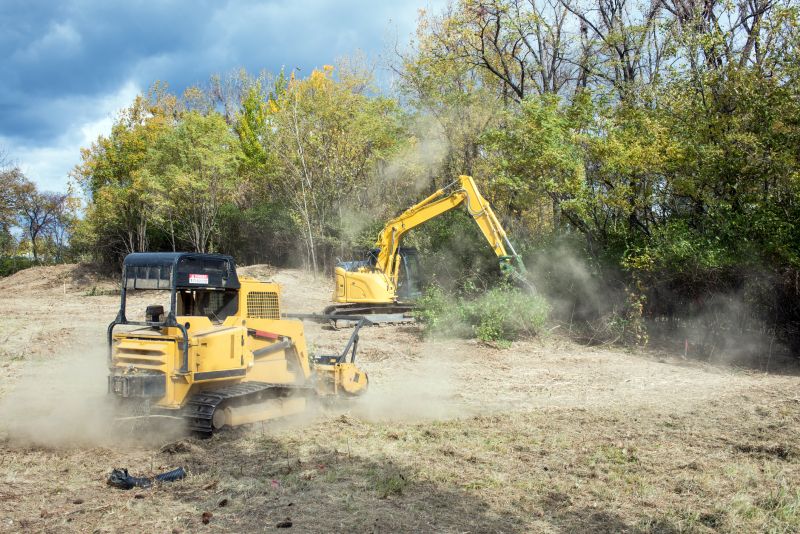
Popular materials for Land Clearings and why they hold up over time.
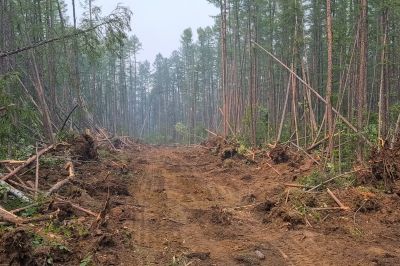
Simple add-ons that improve Land Clearings without blowing the budget.
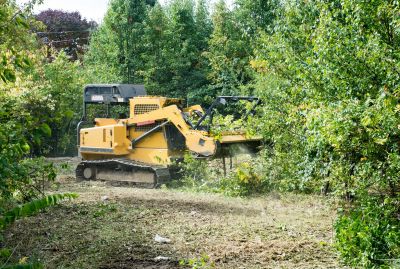
High-end options that actually feel worth it for Land Clearings.
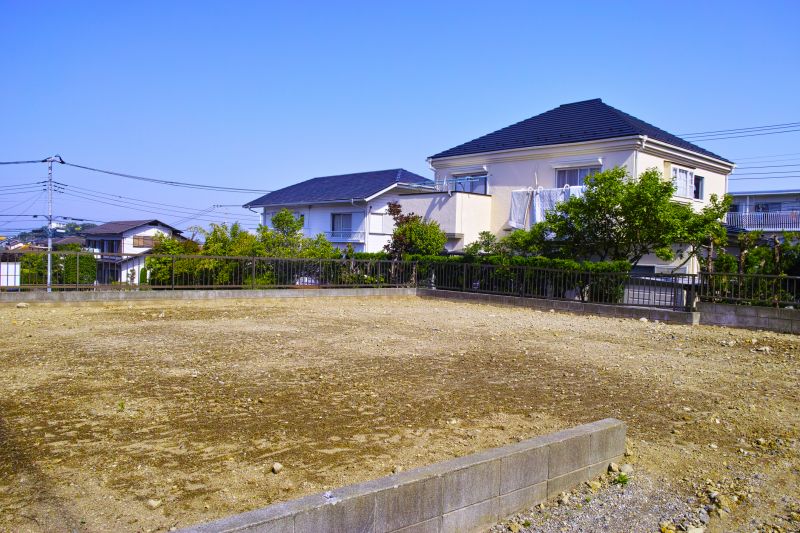
Finishes and colors that play nicely with Land Clearings.

Little measurements that prevent headaches on Land Clearings day.
Timing land clearing activities involves considering weather patterns, soil conditions, and project deadlines. Proper scheduling ensures minimal disruption to the environment and reduces project costs. For instance, clearing during dry seasons minimizes soil erosion and compaction, facilitating subsequent work such as grading or planting.
| Season | Optimal Conditions |
|---|---|
| Spring | Longer daylight, moderate temperatures, less rainfall |
| Summer | Warm weather, longer days, but risk of storms |
| Fall | Cooler temperatures, dry weather, ideal for preparation |
| Winter | Limited in cold climates, suitable in milder regions |
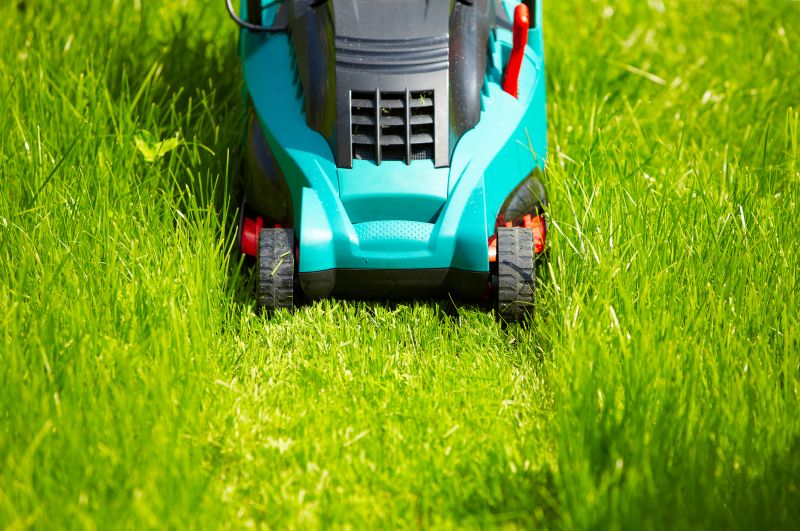
A 60-second routine that keeps Land Clearings looking new.
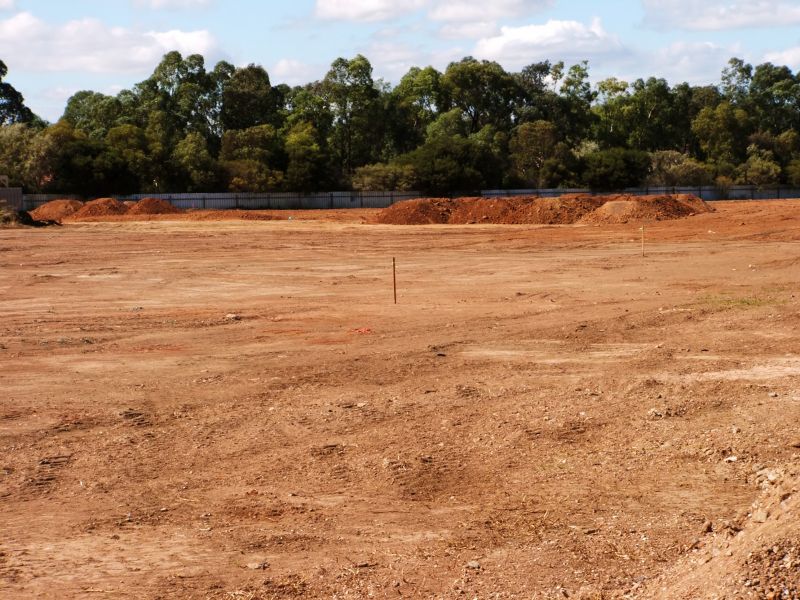
A frequent mistake in Land Clearings and how to dodge it.

Small tweaks to make Land Clearings safer and easier to use.
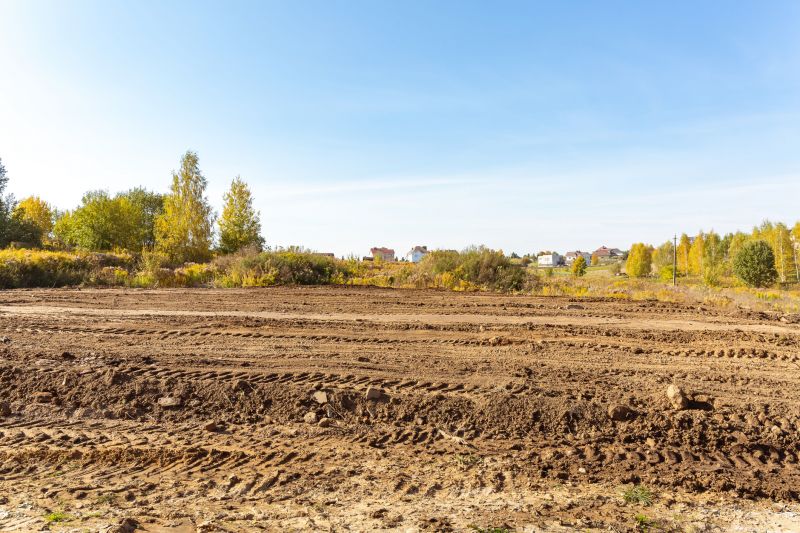
Lower-waste or water-saving choices for Land Clearings.
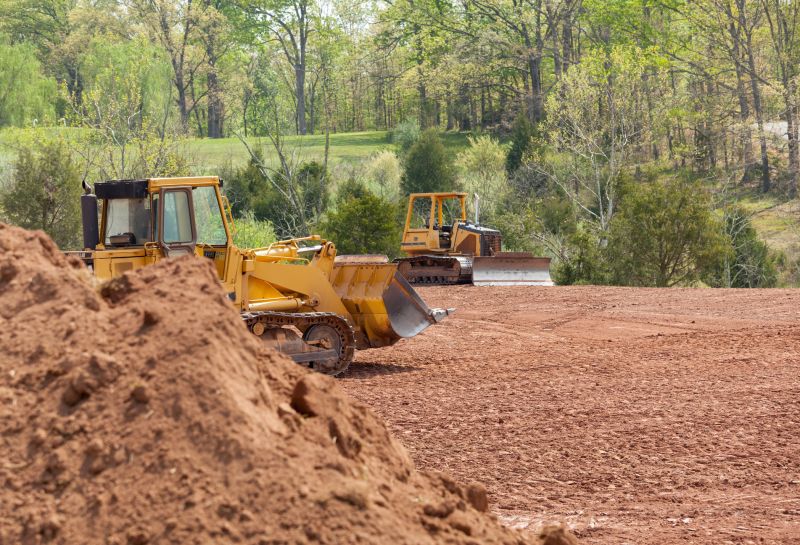
The short, realistic tool list for quality Land Clearings.
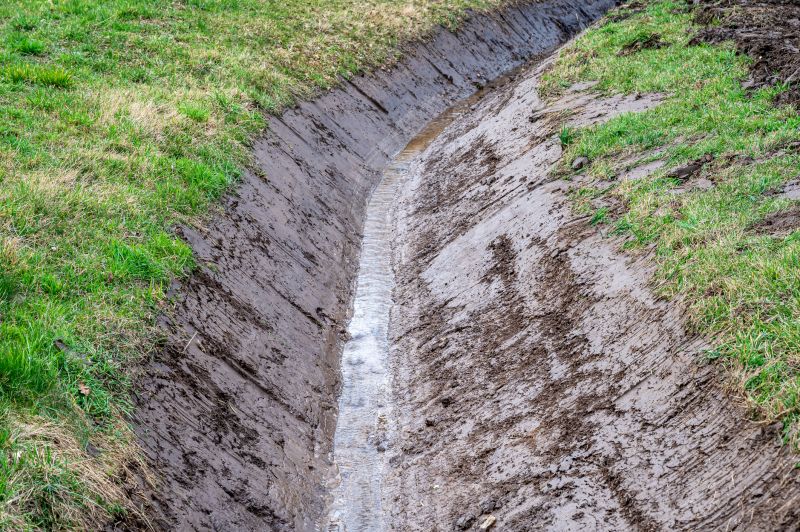
Rough timing from prep to clean-up for Land Clearings.
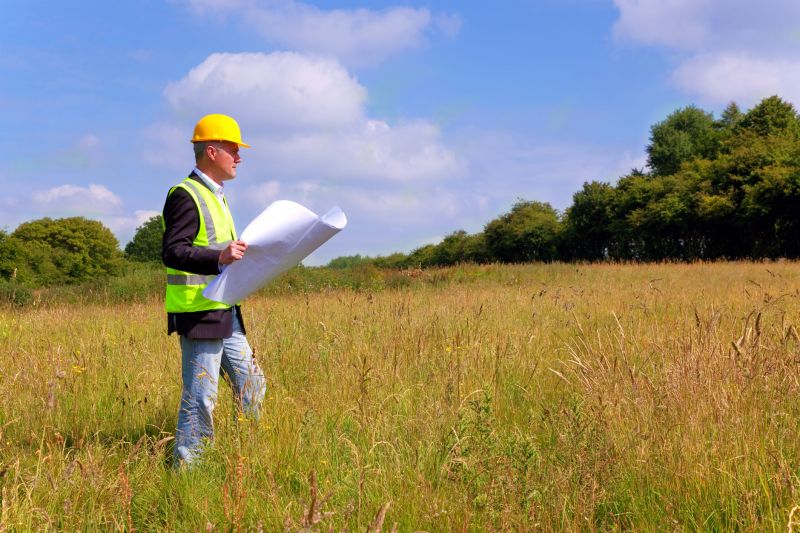
Quick checks and paperwork to keep after Land Clearings.
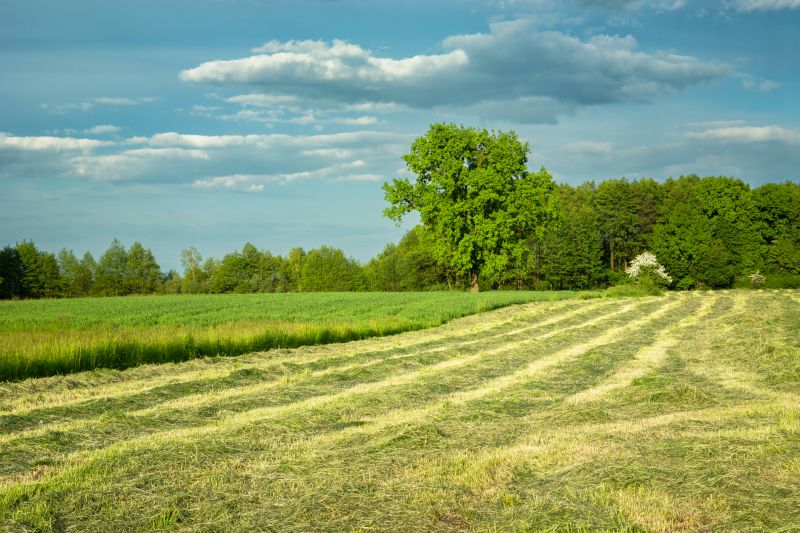
Examples that show the impact a good Land Clearings can make.
Selecting the appropriate time for land clearing depends on project goals, local climate, and soil conditions. Consulting with land management professionals can provide guidance tailored to specific needs, ensuring that the land is prepared efficiently and effectively.
Analyze local weather trends to choose a period with minimal rainfall and optimal temperatures.
Ensure soil is not overly saturated or frozen to facilitate safe and effective clearing.
Schedule during seasons that allow sufficient time for completion before planned development activities.
Coordinate with equipment providers to ensure machinery is available during preferred periods.
Proper timing of land clearing enhances safety, reduces costs, and ensures the project proceeds smoothly. For those interested in scheduling land clearing services, filling out the contact form provides a way to receive tailored guidance and support.